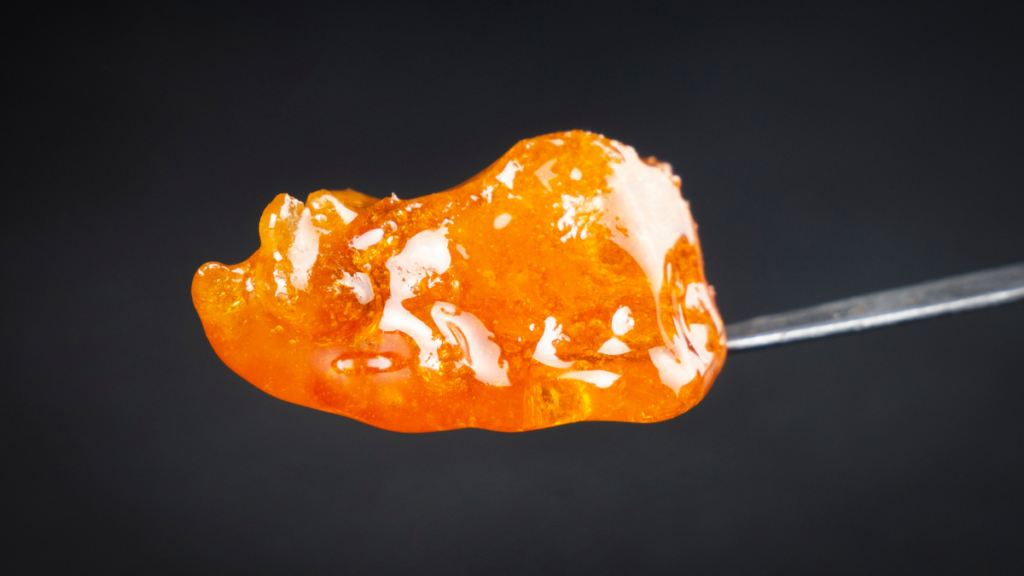
 Only two letters separate them, yet patients mix them up all the time. Live resin and live rosin sound almost identical. They often sit side by side on the shelf, too. However, makers produce them in completely different ways. Once you understand the one key difference in the live resin vs. live rosin debate, the whole concentrate menu starts to make sense.
What Does “Live” Mean in Live Resin vs. Live Rosin?
Start with the word both products share, because most people skip right past it. “Live” describes the starting material, not the extraction method.
In short, live means fresh-frozen. Growers freeze the cannabis soon after harvest instead of drying and curing it first. Freezing matters because the plant needs protection right away. As one industry expert explains, freshly harvested cannabis “must be frozen, or the product is at risk of developing mold.”[1]
Why Fresh-Frozen Material Keeps More Terpenes
Terpenes are the aromatic compounds that give each cultivar its signature scent and flavor. Many of them evaporate easily. In fact, “as the flower dries, some terpenes may evaporate and dissipate,” which lowers their overall concentration.[1]
Research backs this up. A 1996 study in the Journal of Natural Products compared fresh and air-dried cannabis buds. The researchers found that drying caused a much greater loss of monoterpenes, the lightest and most volatile terpenes, than of heavier sesquiterpenes.[2] Freezing skips that drying step. As a result, patients often seek out “live” products for their rich aroma and flavor.
So live resin and live rosin begin in the same place: fresh-frozen plant material with its terpenes intact. The two products split apart at the next step.
What Is Live Resin?
Live resin is a solvent-based concentrate. To make it, extractors use a solvent to pull the desirable compounds out of the frozen plant material. Most often, they choose a hydrocarbon such as butane or propane. Once extraction ends, they purge the solvent from the finished product.
This method has become popular for a reason. According to Cannabis Science and Technology, many extractors, “especially those using hydrocarbon solvents,” now work with freshly harvested cannabis.[1] When done well, the process is efficient and effective. It can also capture a cultivar’s full aroma in a wide range of textures.
How Florida Keeps Live Resin in Check
Florida limits which solvents a licensed medical marijuana treatment center (MMTC) can use. The approved list includes hydrocarbons like butane and propane, along with supercritical CO2 and a few others.[3] In addition, state law requires every MMTC to test processed products at a certified lab before dispensing them.[4] The Department of Health sets the maximum safe level for each contaminant.[4]
You can see those results yourself. Residual solvent testing appears on the product’s Certificate of Analysis (COA), so check it before you buy. Our guide to reading a Florida Certificate of Analysis shows you how.
What Is Live Rosin?
Live rosin is a solventless concentrate. No chemical solvents touch it at any stage. Instead, makers rely only on cold water, heat, and pressure. Live rosin “begins with fresh frozen material that is first processed into ice water hash, then pressed into rosin.”[5]
How Makers Produce Live Rosin, Step by Step
- Wash: Makers place fresh-frozen cannabis in fine mesh bags with ice and water, then stir it. This motion breaks the resin glands (trichomes) free from the plant.[6]
- Collect and dry: Next, they gather the trichomes and dry them into ice water hash.[5]
- Press: Finally, a rosin press applies heat and pressure to the hash. The press “crushes the trichome heads and forces the resin to separate.”[6]
Think of it like pressing olives for oil rather than running a chemistry experiment. That simple, mechanical method is the whole appeal. It also forms the foundation of the connoisseur solventless category. Want to go deeper? Check out our guides to identifying quality rosin and cold cure vs. fresh cure rosin.
Live Resin vs. Live Rosin: Side-by-Side Comparison
This quick chart puts the live resin vs. live rosin differences in one place.
|
Live Resin |
Live Rosin |
|
|---|---|---|
|
Starting material |
Fresh-frozen cannabis |
Fresh-frozen cannabis |
|
Extraction method |
Solvent-based (usually butane or propane) |
Solventless (ice water, heat, and pressure) |
|
Solvents used? |
Yes, then purged and lab tested |
None at any stage |
|
Typical price |
More accessible |
Usually premium |
|
Category |
Solvent-based concentrate |
Solventless concentrate |
Easy memory trick: Think of the “O” in rosin as “only.” Rosin uses only ice water, heat, and pressure. Resin, on the other hand, relies on a solvent.
Why Does Live Rosin Usually Cost More?
Live rosin often carries a premium price, and the reasons are simple. First, the solventless process produces less finished product from the same amount of plant material. Second, it demands top-quality starting flower. Makers need “freshly dried or frozen cannabis with a high concentration of trichomes” to get good results.[6] A solventless process can’t hide average flower the way some solvent extractions can.
Together, these factors add up. Cannabis Science and Technology notes that high input costs and “relatively low yields” make solventless extraction “a high-cost product.”[6] In other words, you pay for a lower yield and a higher bar on raw material. Whether that premium makes sense for you is a personal call.
How to Choose Between Live Resin and Live Rosin
Here’s the straight answer on live resin vs. live rosin: neither one is better across the board. They’re different processes with different tradeoffs. That’s why plenty of experienced patients enjoy both.
- Choose live rosin if a solventless process matters to you. It also fits patients who enjoy the connoisseur end of the menu and have room in their budget for a premium.
- Choose live resin if you want the terpene-rich character of a “live” product at a more accessible price. It suits patients who feel comfortable with a purged, lab-tested extraction.
- Either way, read the COA. It shows the cannabinoid content and the terpene profile. For solvent-based products, it also lists residual solvent results.
Above all, make sure you understand what you’re buying. For the bigger picture, our guide to solventless vs. solvent-based concentrates covers the full category.
This article explains how makers produce live resin and live rosin and how the two differ. It’s educational, it isn’t medical advice, and it makes no claims about treating any condition. Please make product decisions with your qualified physician.
Frequently Asked Questions
What’s the difference in live resin vs. live rosin?
Both start with fresh-frozen cannabis. However, makers produce them differently. Live resin is solvent-based, so extractors use a solvent such as butane or propane and then purge it. Live rosin is solventless, so makers use only ice water, heat, and pressure. The extraction method is the core difference.
What does “live” mean in cannabis concentrates?
“Live” means growers froze the cannabis soon after harvest instead of drying and curing it. Drying causes some terpenes to evaporate.[1] Freezing skips that step, which is why patients value live products for aroma and flavor.
Is live rosin better than live resin?
Neither is better across the board. Live rosin is solventless and often commands a premium for that reason. Meanwhile, live resin can capture a cultivar’s profile very effectively at a lower price. The right choice depends on your preferences and budget.
Is “solventless” the same as “purged”?
No. Solventless means the maker never used a solvent at all, as with rosin. Purged means the maker used a solvent and then removed it to within legal limits, as with live resin. Some brands use other terms, such as “solvent-free,” so always check the extraction method on the label or COA.
How can I tell which one I’m buying?
Start with the product name and label. Then review the Certificate of Analysis. In Florida, a certified lab tests processed products before they reach dispensary shelves.[4] For solvent-based products like live resin, the COA includes residual solvent results. If you’re unsure, ask a Planet 13 Florida team member to walk you through it.
___________________________________
Sources
- Friesen, L. (2023, March 3). “The Transformation of Cannabis Terpenes from Harvest to Shelf.” Cannabis Science and Technology. cannabissciencetech.com
- Ross, S. A., & ElSohly, M. A. (1996). “The Volatile Oil Composition of Fresh and Air-Dried Buds of Cannabis sativa.” Journal of Natural Products, 59(1), 49–51. pubs.acs.org
- ACS Laboratory. “Florida Rules on Solvent-Based Cannabis Extraction & Testing” (summarizing Florida Emergency Rule 64ER21-13). acslab.com
- Florida Statutes § 381.986(8)(e), Medical Use of Marijuana. The Florida Senate. flsenate.gov
- Yeager, A. (2026, April 17). “The Different Types of Solventless Concentrates: Rosin, Ice Water Hash, and More.” Weedmaps. weedmaps.com
- Friesen, L. (2022, March 7). “Solventless Extracts: An Overview.” Cannabis Science and Technology. cannabissciencetech.com
About Planet 13 Florida
Planet 13 Florida is a licensed Florida medical marijuana treatment center, serving registered patients across our locations statewide with flower, concentrates, edibles, vapes, tinctures, and topicals from our family of house brands. Browse our full menu online to see what’s available near you, or stop into any Planet 13 Florida location and talk with our team in person — they’re happy to walk you through product types, formats, and lab results so you can make an informed choice. For guidance about your own care, always consult your qualified physician.
Florida medical marijuana patients can explore the cannabis products that best fit their needs at planet13florida.com.
Disclaimer
This content is for educational purposes only and does not constitute medical advice. Planet 13 Florida is a licensed Medicinal Marijuana Treatment Company. Medical cannabis in Florida requires a valid physician recommendation and OMMU registration. No cannabinoid compound discussed herein is FDA-approved for the treatment, cure, or prevention of any disease or condition, except where explicitly stated (e.g., Epidiolex for epilepsy). Research cited represents the current state of scientific inquiry and should not be interpreted as established clinical guidance. Consult your physician before making any changes to your wellness plan.
Planet 13 Florida operates 33 dispensary locations across the state of Florida as a licensed Medical Marijuana Treatment Center (MMTC). Florida law requires a physician recommendation to purchase medical cannabis products.
© Planet 13 Florida | Patient Education Series