Planet 13 Florida | Updated June 2026 | For registered Florida medical marijuana patients
Walk up to any Planet 13 concentrate case and you will see jars labeled shatter, wax, budder, crumble, sauce, and live resin — many of them grouped under three little letters: BHO. If that menu feels like alphabet soup, you are not alone. This guide breaks down what BHO actually is, how the different textures relate to one another, how patients use these products, and why Florida’s testing rules matter when you shop.
What is BHO?
BHO stands for butane hash oil. It is a broad term for any cannabis concentrate made using butane as the primary extraction solvent. The butane is passed through cannabis plant material to pull out the plant’s cannabinoids and aromatic terpenes, leaving most of the leafy plant matter behind. What remains is a thick, potent oil that typically ranges from light gold to deep amber in color.
Here is the key thing to understand: the term “BHO” only tells you how a product was made. It does not, on its own, tell you the potency, the flavor, or the quality — those depend on the starting flower and the skill of the processing team. A useful mental model is brewing a very strong cup of coffee: hot water acts as a solvent to pull caffeine and flavor out of the grounds. BHO extraction follows a similar idea, just far more precise, more controlled, and dramatically more concentrated.
Potency is the headline difference between concentrates and flower. BHO products commonly test in the 60–90% THC range, with some reaching the high 80s and 90s — well above typical flower. That concentration is exactly why these products are popular with experienced patients, and exactly why a little goes a long way.
How BHO is made (and why you should never DIY it)
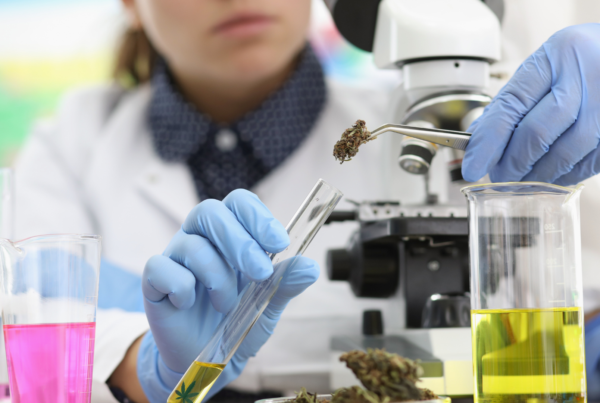
In a licensed facility, BHO is produced in a closed-loop system: sealed equipment that runs butane through the plant material in contained chambers and then recaptures the solvent rather than venting it into the air. After extraction, the oil is moved into a vacuum oven where controlled heat and pressure purge away residual solvent, leaving a clean, stable concentrate. The same batch of oil can then be finished into many different textures depending on how it is handled.
⚠ A serious safety note
Making BHO at home is extremely dangerous and illegal. Butane is highly flammable, and improvised “open-air” extraction has caused serious fires, explosions, and severe burn injuries documented by burn centers and emergency rooms. Professional extraction exists precisely because doing this safely requires sealed equipment, engineered ventilation, fire-code-compliant facilities, and trained operators. The only safe BHO is BHO made by a licensed processor and lab-tested before sale.
In Florida, this is not optional. Medical Marijuana Treatment Centers (MMTCs) that use hydrocarbon extraction are required to operate certified closed-loop systems, use solvents of high purity, obtain a licensed engineer’s certification of their equipment, and comply with National Fire Protection Association fire codes. Those requirements are part of why a tested dispensary product is a fundamentally different thing from anything made on the illicit market.
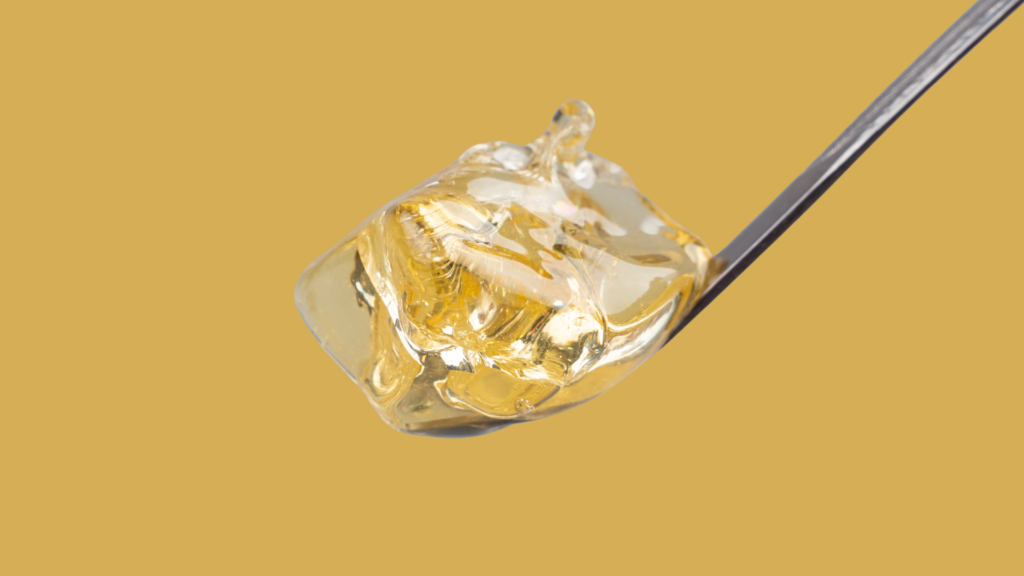
The textures: shatter, wax, budder, crumble, sauce & more
This is where most of the menu confusion comes from. The cannabis industry has no standardized naming system, so one shop’s “budder” may look like another’s “badder.” But the underlying logic is simple: most of these products start as the same extracted oil, and the final texture is the result of post-extraction processing — mainly how much the oil is whipped (agitated), and the heat and time used during the purge.
| Texture | What it looks like | How it gets that way | Handling notes |
|---|---|---|---|
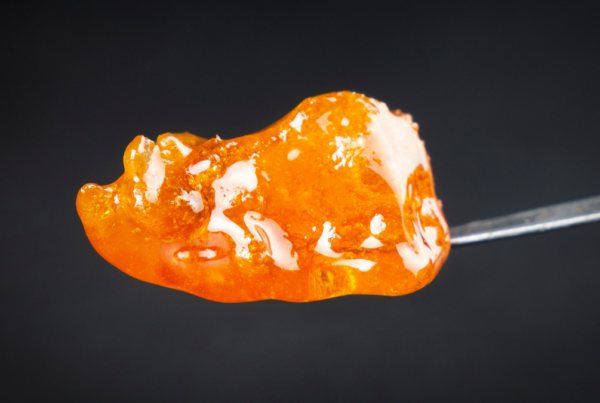
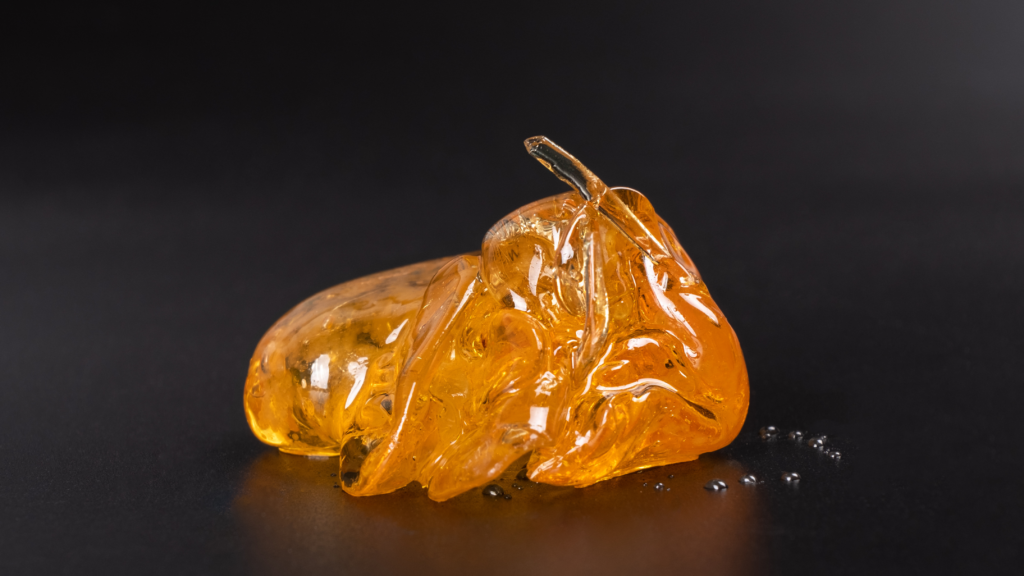
| Shatter | Hard, translucent, glass-like amber that snaps | Left undisturbed (not whipped) through a long purge-and-cool cycle | Very stable with a long shelf life; brittle, so portioning can be fiddly |
| Wax | Soft, opaque, sticky | Agitated/whipped after purging | Easy to scoop; can be sticky on the dab tool |
| Budder / Badder / Batter | Creamy, like cake frosting or soft butter | Whipped during the purge to fold in air | Often very aromatic; among the easiest textures to handle |
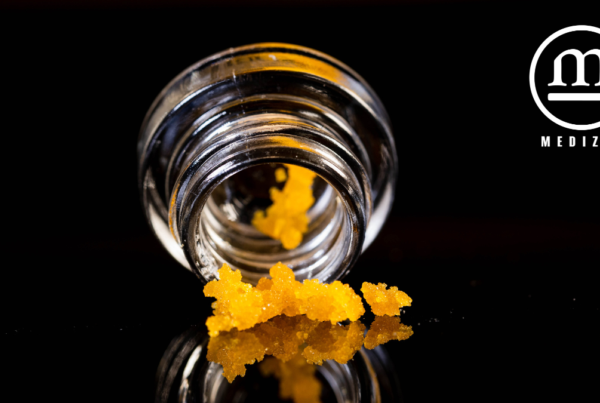
| Crumble | Dry, brittle, honeycomb-like; breaks apart easily | Extended low-heat purge removes more moisture and solvent | Easiest to portion; doesn’t stick to fingers; stable at room temp |
| Sugar | Grainy, crystalline, like wet sand | Natural crystallization during/after extraction | Lands between wax and sauce; easy to work with |
| Sauce (Terp Sauce) | Syrupy, oily liquid, often with crystals floating in it | High-terpene extract; crystals form within a terpene-rich liquid | Very flavor-forward; THC % can read lower because much of it is terpene liquid |
| Diamonds | Clear crystalline structures | Crystallized THCA, often suspended in sauce | Among the most potent formats; usually paired with sauce for flavor |
| Live Resin | Vibrant, often sappy or saucy | Extracted from fresh-frozen plants to preserve more terpenes | Prized for aroma and flavor; typically a premium product |
A quick clarification: live resin vs. live rosin
These two names look almost identical and get mixed up constantly. Live resin is solvent-based — when it is made with butane, it is a type of BHO. Rosin (and “live rosin”) is solventless, made with heat and pressure and no chemical solvent at all. If avoiding solvents entirely matters to you, rosin is the category to look at — but it is a different process than the BHO products covered here.
Texture is not potency
One of the most common misconceptions is that a certain texture is automatically “stronger.” It isn’t. The same freshly extracted oil could be finished as shatter, budder, or crumble, and each would carry roughly the same potency it had at extraction. Read the cannabinoid percentage on the label to judge strength — the texture mostly affects flavor, handling, and personal preference.
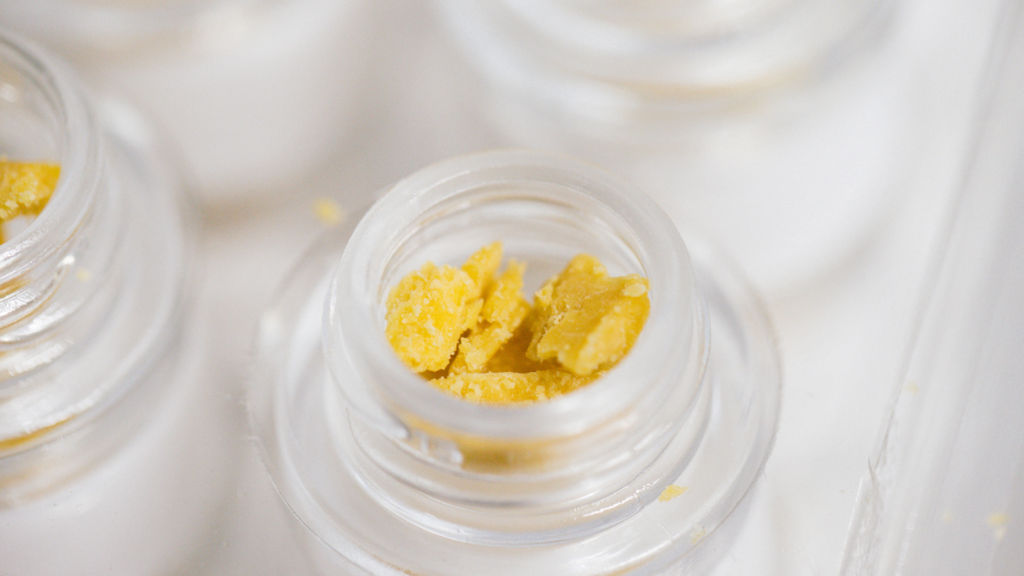
How patients consume BHO
BHO concentrates are generally not smoked on their own like flower. The most common methods are designed to vaporize the concentrate at a controlled temperature rather than burn it:
- Dabbing: A small amount (“a dab”) is applied to a heated surface (a nail or quartz “banger”) on a dab rig, where it flash-vaporizes for inhalation. A carb cap is often used to capture more vapor.
- Concentrate vape pens / e-rigs: Portable devices and electronic rigs heat the concentrate to a set temperature, offering more consistency and convenience than a torch.
- Topping flower: Drier textures like crumble are sometimes added on top of ground flower in a bowl or joint for an extra boost.
Temperature matters more than most people expect
Where you set your heat dramatically changes the experience. As a general guide:
- Low temp (~400–450°F): Preserves delicate terpenes, smoother and more flavorful vapor, gentler on the throat. You may leave a little oil behind.
- The common sweet spot (~450–550°F): A balanced range most experienced dabbers default to — good flavor with fuller vapor.
- High temp (above ~570–600°F): Bigger clouds and faster onset, but flavor degrades and vapor gets harsh as terpenes scorch.
Because BHO is so concentrated, the universal beginner advice applies: start low and go slow. Begin with a small dab at a lower temperature, wait to gauge the effect, and adjust from there.
Safety, testing & quality in Florida
The single biggest factor in a safe BHO experience is buying from a licensed, regulated source. Here is what that means in Florida specifically.
Every retail batch produced by an MMTC must be tested by an independent, state-Certified Marijuana Testing Laboratory (CMTL) before it can be dispensed to a qualified patient. Florida MMTCs are not allowed to own or hold a financial interest in the labs that test their products, which keeps the testing at arm’s length. A compliant concentrate is screened for:
- Potency / cannabinoid profile — verifying THC, CBD, and other cannabinoids, and that the label is accurate
- Residual solvents — including butane and propane, to confirm the purge was effective
- Pesticides from an approved screening panel
- Heavy metals such as lead, arsenic, cadmium, and mercury
- Microbial contaminants (yeast, mold, and certain bacteria), plus mycotoxins
- Foreign material
This is the practical reason the “residual solvent” worry around BHO is largely an illicit-market problem. A properly run closed-loop process followed by a vacuum purge can drive residual butane down to trace or undetectable levels — and in a regulated program, the lab result has to confirm it before the product reaches the shelf.
How to shop smart
- Check the Certificate of Analysis (COA). A reputable product is backed by lab results you can review. (New to COAs? See our companion guide on how to read one.)
- Read the cannabinoid percentage rather than judging strength by texture.
- Pick a texture that fits your setup and habits — crumble and budder are forgiving for newcomers; shatter is stable but brittle; sauce and live resin lean flavor-forward.
- Ask your budtender. Naming conventions vary between brands, so it’s normal to ask what a given jar’s texture and lab numbers actually mean.
Storing your concentrates
Concentrates degrade with exposure to heat, light, air, and moisture. Keep them in a sealed container, somewhere cool and dark. Stable textures like shatter and crumble tolerate room temperature best in a sealed jar, while terpene-rich formats such as sauce and diamonds keep their character longer with cold storage. Florida’s heat is a real consideration — leaving concentrates in a hot car can change their texture and dull their flavor.
What does BHO stand for?
BHO stands for butane hash oil — an umbrella term for any cannabis concentrate made using butane as the primary solvent. The label describes the production method, not the potency, flavor, or quality.
Is BHO stronger than flower?
Generally, yes. BHO concentrates commonly test in the 60–90% THC range, well above typical flower. Because of that concentration, experienced patients usually start with a very small amount.
Are shatter, wax, budder, and crumble different products?
Not fundamentally. They usually begin as the same extracted oil. The texture differences come from post-extraction processing — whipping, heat, and purge time. Potency is set by the cannabinoid percentage on the label, not the texture.
What is the difference between live resin and live rosin?
Live resin is solvent-based (when made with butane, it’s a type of BHO). Live rosin is solventless, made with heat and pressure only. They are made from similarly fresh material but by very different processes.
Is it safe to make BHO at home?
No. Home or open-air butane extraction is extremely dangerous and illegal in Florida. Butane is highly flammable, and improvised extraction has caused serious fires, explosions, and burns. Always buy licensed, lab-tested products.
How is BHO tested for safety in Florida?
Every retail batch from a licensed MMTC must be tested by an independent state-Certified Marijuana Testing Laboratory before dispensing, covering potency, residual solvents, pesticides, heavy metals, microbial contaminants, mycotoxins, and foreign material.
Medical use only. This article is provided for general educational purposes for registered Florida medical marijuana patients and is not medical advice. It is not intended to diagnose, treat, cure, or prevent any disease or condition. Individual experiences vary. Always consult your qualified physician about whether medical marijuana is appropriate for you.
Medical marijuana products are available only to qualified patients with a valid Florida Medical Marijuana Use Registry Identification Card. Keep all products in their original child-resistant packaging and out of the reach of children and pets. Do not drive or operate machinery after use.
Planet 13 Florida is a licensed Medical Marijuana Treatment Center.
Sources & further reading
- Leafly — “What is BHO (Butane hash oil)?”: leafly.com/learn/cannabis-glossary/bho
- Weedmaps — “What Is BHO? Butane Hash Oil Definition”: weedmaps.com/learn/dictionary/butane-hash-oil-bho
- ACS Laboratory — “Cannabis Concentrates 101: Terms, Usage, Potency, and Testing”: acslab.com/retail/cannabis-concentrates-guide
- USA Lab — “The Closed-Loop Extraction Process for BHO”: usalab.com/blog/closed-loop-extraction-process-for-bho
- Leafly — “What is the Best Dab Temperature?”: leafly.com/learn/consume/dabs/best-dabbing-temperatures
- ACS Laboratory — “Florida Rules on Solvent-Based Cannabis Extraction & Testing”: acslab.com/compliance/florida-rules-on-solvent-based-cannabis-extraction-testing
- Florida Office of Medical Marijuana Use — Certified Marijuana Testing Laboratories: knowthefactsmmj.com/cmtl
- “Everything You Need to Know About Cannabis Testing in Florida”: muvfl.com/post/fl-cannabis-testing
- Cannabis Promotions — “Florida Cannabis Packaging & Labeling / Testing Regulations 2026”: cannabispromotions.com/regulations/states/florida
- National Library of Medicine (PMC) — “Butane Hash Oil Burns Associated with Marijuana Liberalization in Colorado”: pmc.ncbi.nlm.nih.gov/articles/PMC4675612